

About

Prinsip Kerja
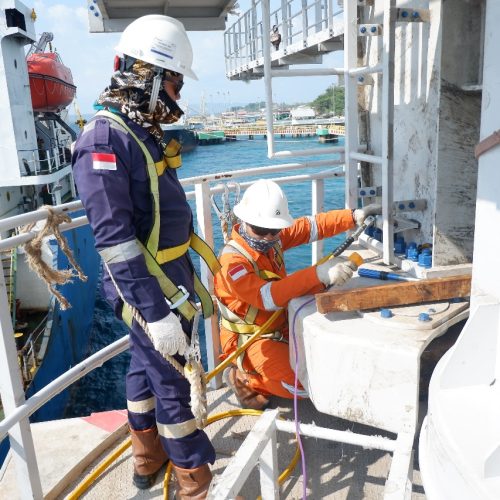
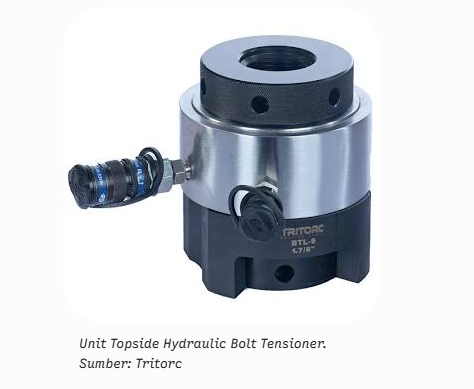
Penempatan Alat: Tensioner dipasang di atas mur yang dipasang pada flensa atau sambungan. Alat ini mencengkeram ujung ulir baut yang menonjol (stud protrusion).
Pemberian Tekanan Hidraulik: Pompa hidraulik mengalirkan fluida bertekanan tinggi (biasanya hingga 1.500 bar / 21.750 psi) ke dalam silinder tensioner.
Peregangan Baut: Piston menekan dudukan (bridge) ke flensa sambil menarik ulir baut ke atas secara aksial.
Penguncian Mur: Setelah baut meregang sesuai beban yang ditentukan (preload), mur diputar ke bawah menggunakan soket pemutar mur (socket/tommy bar) hingga menempel rapat pada permukaan flensa.
Pelepasan Tekanan: Tekanan hidraulik dilepaskan. Baut yang cenderung kembali ke ukuran semula kini tertahan rapat oleh mur.
Fitur Utama & Keunggulan
Akurasi Beban Baut Tinggi: Menghilangkan gesekan antara mur dan ulir saat pengencangan, sehingga beban tarik (bolt load) yang dihasilkan jauh lebih presisi dibanding metode pemutaran engkol/torsi.
Mencegah Kebocoran Flensa: Sangat ideal untuk aplikasi simultan (menghubungkan beberapa tensioner sekaligus pada satu flensa) untuk memastikan penekanan gasket secara merata.
Fitur Keselamatan Integritas: Dilengkapi dengan mekanisme pencegah beban berlebih (over-stroke indicator/limiter) serta katup pengaman hidraulik.
Desain Ringkas & Fleksibel: Dirancang agar muat di area ruang terbatas pada flensa standar ANSI, API, atau MSS. Komponen penarik ulir (threaded insert/puller) dapat diganti sesuai ukuran baut.
Spesifikasi & Pengaplikasian Ringkas
| Parameter / Komponen | Keterangan |
| Tekanan Kerja Maksimum | Umumnya 1.500 bar (21.750 psi) |
| Rentang Ukuran Baut | M16 hingga M100+ (atau 3/4″ hingga 4″+) |
| Sektor Penggunaan Utama | Oil & Gas (Platform Topsides, Refinery), Pembangkit Listrik (Turbin, Boiler), Industri Kimia, Pertambangan, dan Konstruksi Jembatan/Struktur Baja Berat |
| Aplikasi Spesifik | Flensa pipa bertekanan, pressure vessel, katup (valves), penukar panas (heat exchangers), dan sambungan struktural |
Mengapa Memilih Peralatan Bolt Tensioning Kami?
Sertifikasi Standar Global: Seluruh unit produk diproduksi sesuai standar ISO dan CE keselamatan kerja tekanan tinggi.
Dukungan Teknis & Kalibrasi: Dilengkapi dengan sertifikat kalibrasi pabrik serta dukungan tim teknis berpengalaman untuk engineering calculation dan bolt load planning.
Layanan Penjualan & Rental: Kami menyediakan opsi pembelian unit baru maupun sewa (rental equipment) untuk kebutuhan proyek jangka pendek maupun kontrak perawatan berkala.
Pastikan keandalan sambungan flange dan keselamatan operasional pabrik Anda bersama solusi bolt tensioning equipment terpercaya. Hubungi tim ahli kami hari ini untuk konsultasi teknis dan penawaran harga terbaik.


Offshore Site
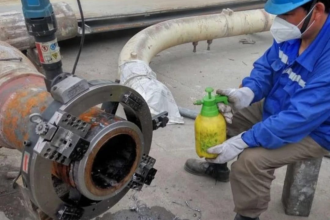
Cold Cutting& Beveling
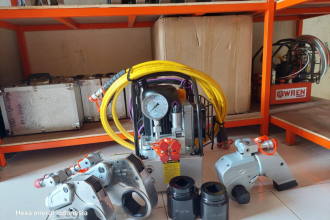
Bolting Tools